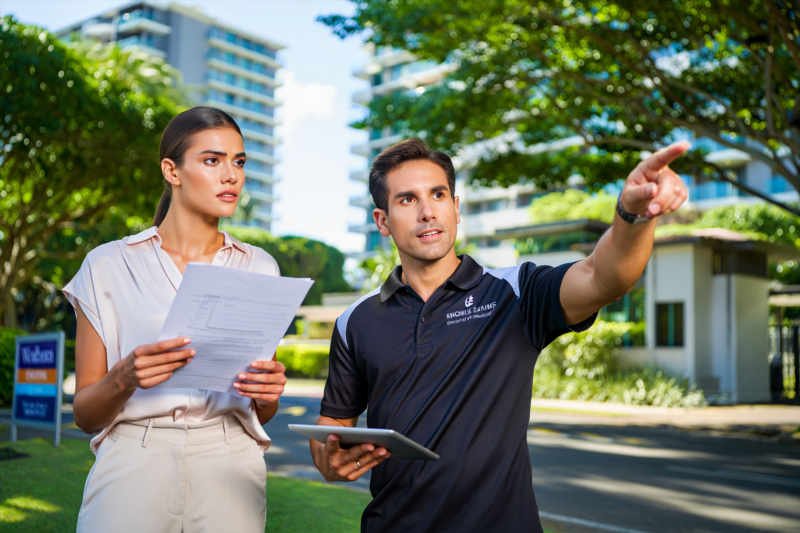
Investing in Thailand real estate offers exciting opportunities—from vibrant Bangkok condos to tranquil Phuket villas. However, the booming property market also attracts scammers aiming to exploit unwary buyers and renters. Recognizing the warning signs of property scams and understanding how to safeguard your investment are essential steps for anyone navigating Thailand’s property landscape. As your trusted Siam Realty Guide, we provide expert insights, tips, and red flags to help you identify fraud and ensure secure transactions, empowering you to make confident decisions.
Common Thailand Property Scams: Warning Signs to Watch Out For
Fraudulent schemes in Thailand property transactions can be sophisticated and convincing. Being aware of common scams enables you to detect them early and avoid costly mistakes.
1. Unauthorized Seller or Fake Developer Notices
- Warning Sign: The seller claims ownership without proof or the developer is not registered with the Thai authorities.
- How to Spot It: Always verify ownership documents (chanod, title deed) and check developer credentials with the Department of Business Development or BOI.
2. Unusually Low Prices or Limited Viewing Options
- Warning Sign: The property is priced significantly below market value, or offers are only available online with no physical inspection.
- How to Spot It: Conduct a market comparison. Always view the property physically before committing and beware of “deals too good to be true.”
3. High-Pressure Sales Tactics
- Warning Sign: You are pressured to make quick decisions or sign contracts without sufficient due diligence.
- How to Spot It: Take your time—credible agents and developers give you space to review documents and seek legal advice.
4. Suspicious Payment Schemes
- Warning Sign: Requests for large deposits via untraceable methods or to personal accounts unrelated to the developer.
- How to Spot It: Use verified escrow accounts and ensure all transactions are transparent and traceable through official channels.
5. Fake or Forged Documentation
- Warning Sign: Documents appear altered, inconsistent, or missing official stamps/seals.
- How to Spot It: Consult a local real estate lawyer or notary to verify legal documents, and always obtain official copies directly from authorities.
6. Misleading or Omitted Critical Information
- Warning Sign: Important details about property restrictions, legal conditions, or taxes are intentionally hidden.
- How to Spot It: Conduct comprehensive legal checks, especially regarding land rights, building permits, and zoning restrictions.
Expert Safety Tips for Securing Your Thailand Property Deal
To avoid falling prey to scams and ensure a safe transaction, follow these proven strategies:
1. Verify Developer and Seller Credentials
- Cross-check with official Thai government registries.
- Seek references and reviews from previous international buyers.
- Confirm that the developer has a good track record and proper licensing.
2. Use Reputable Agencies and Legal Professionals
- Partner with established real estate agencies with local expertise.
- Hire a licensed Thai lawyer specializing in property law to review contracts and documentation.
- Never skip legal due diligence—this is your best safeguard.
3. Secure Funds Through Escrow Accounts
- Require escrow services for deposits and final payments.
- Ensure funds are held in escrow before transfer of ownership.
- Confirm the escrow provider is legitimate and registered.
4. Thoroughly Review All Documentation
- Confirm ownership through the Land Department.
- Check for clear title deeds (chanod), free of encumbrances.
- Verify that all permits and licenses are in order.
5. Avoid Unusual Payment Requests
- Use traceable bank transfers or official escrow accounts.
- Be skeptical of requests for cash payments or deposits to personal accounts.
- Never send funds without verified, official documentation.
6. Perform On-Site Inspections
- Always visit the property before any financial commitment.
- Observe the surroundings, amenities, and verify the property exists as described.
- Engage local inspectors if necessary to assess condition and legality.
7. Stay Informed on Legal and Tax Implications
- Understand applicable taxes, fees, and legal restrictions for foreigners.
- Seek guidance from qualified professionals on taxes such as transfer fees, stamp duty, and income taxes.
Frequently Asked Questions
Q: Can I trust online property listings in Thailand?
A: Exercise caution. Always verify listings through reputable agencies or legal channels and visit the property personally before proceeding.
Q: How can I confirm the legitimacy of a developer?
A: Check registration with the Department of Business Development, review past projects, seek reviews, and consult local real estate experts.
Q: What legal protections exist for foreign buyers in Thailand?
A: Foreigners can own condominiums outright but face restrictions on land ownership. Use legal professionals to navigate complex regulations and safeguard your rights.
Q: What red flags indicate a potential scam?
A: Unverified ownership, pressure tactics, unusually low prices, requests for untraceable payments, and suspicious documentation.
Final Thoughts: Stay Informed, Stay Protected
Navigating Thailand’s property market can be rewarding, but vigilance is crucial. Recognizing scam signs early, building relationships with reputable agents and lawyers, and following expert safety tips significantly reduce risks. At Siam Realty Guide, our mission is to empower you with the knowledge you need for secure, profitable property transactions in Thailand. Always conduct thorough due diligence, stay skeptical of dubious deals, and consult local professionals—you can enjoy your Thai property investment with confidence.
Secure your Thailand property journey today—invest wisely, stay protected.
Ready to Explore Thailand Property?
Browse our complete collection of area guides, legal checklists, and market analysis to make your next move with confidence.
Back to Home